It's not easy being a dog owner in winter. Planning an escape to warmer destinations? Not so easy with a dog in the mix. And at home, our furry friends are basically ready to hibernate: look forward to three months of overly lethargic behaviour, appetites in overdrive and a resistance to exercise or outdoor adventures.
Winter is also an opportunistic time for a range of seasonal pet health conditions.
But it doesn't have to be this way. Apply some knowledge, ingenuity and a proactive approach and you can keep your dog happy, healthy and engaged this winter.
Chilly challenges
The chill of winter brings with it a variety of health challenges for dogs. The absence of humidity can lead to cracked or sore paws. Long stretches of rain can spoil regular walking routines and lead to weight gain or boredom. And colder temperatures can exacerbate arthritis or joint issues, particularly for senior dogs.
For vets, winter is a busy time of year. They're dealing with all these conditions and more, including seasonal illnesses, respiratory issues, fungal infections and skin conditions brought on by the rain and cold.
Winter woes for our furry friends
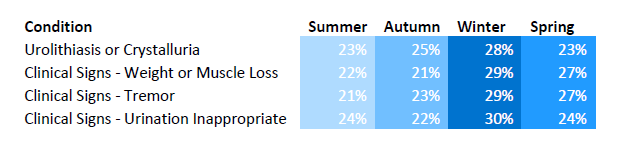
Here are the top common conditions that affect our dogs during winter, as well as their prevalence versus warmer months, according to PetSure 2024 claims data:
Dogs:
But there is a remedy: make your home as warm, cosy and engaging as possible for your dog. It's an experience that can be just as enriching for owners. Maybe not as nice as a trip to the sunny shores of Tahiti, but you'll have fun.
1. Set up an indoor pet playground
Whatever the weather, our dogs still need a daily dose of activity. Fortunately, your home can be just as exciting as the local park. Brain games are a great way to keep your pet physically and mentally stimulated. Interactive toys such as puzzle feeders, trick training, fishing rods and toy hunts can engage your dog and improve their mood.
A large indoor space and a soft, lightweight toy can make for a fun fetch session. I f you’re feeling particularly creative, try building an indoor agility course with household items such as pillows, boxes or blankets. Navigating the course can improve your pet’s balance, coordination and problem-solving skills as well as helping to avoid seasonal depression.
Some dogs don't mind a walk in the rain. Grab a doggy raincoat and head around the block for a wet-weather adventure – even a brisk walk can help maintain your pet’s fitness and strengthen your connection.
2. Eat well, live well
An effective winter diet can stave off a variety of health complaints. Some pets may need more calories to maintain a comfortable body heat, while fewer calories help to avoid weight gain in a time of limited activity. Boredom can lead to excessive eating, so monitor your pet’s intake and resist treats throughout the day.
While you should always consult your vet for nutrition advice, your dog may benefit from foods rich in omega-3 and omega-6 fatty acids such as sardines, as these contain anti-inflammatory properties that can counteract the arthritic bite of winter. Whole grains, used in moderation, are a great option for keeping trim. Berries are a great source of antioxidants and vitamin C, while nutrient-rich vegetables can boost their immune system.
3. Cold comfort
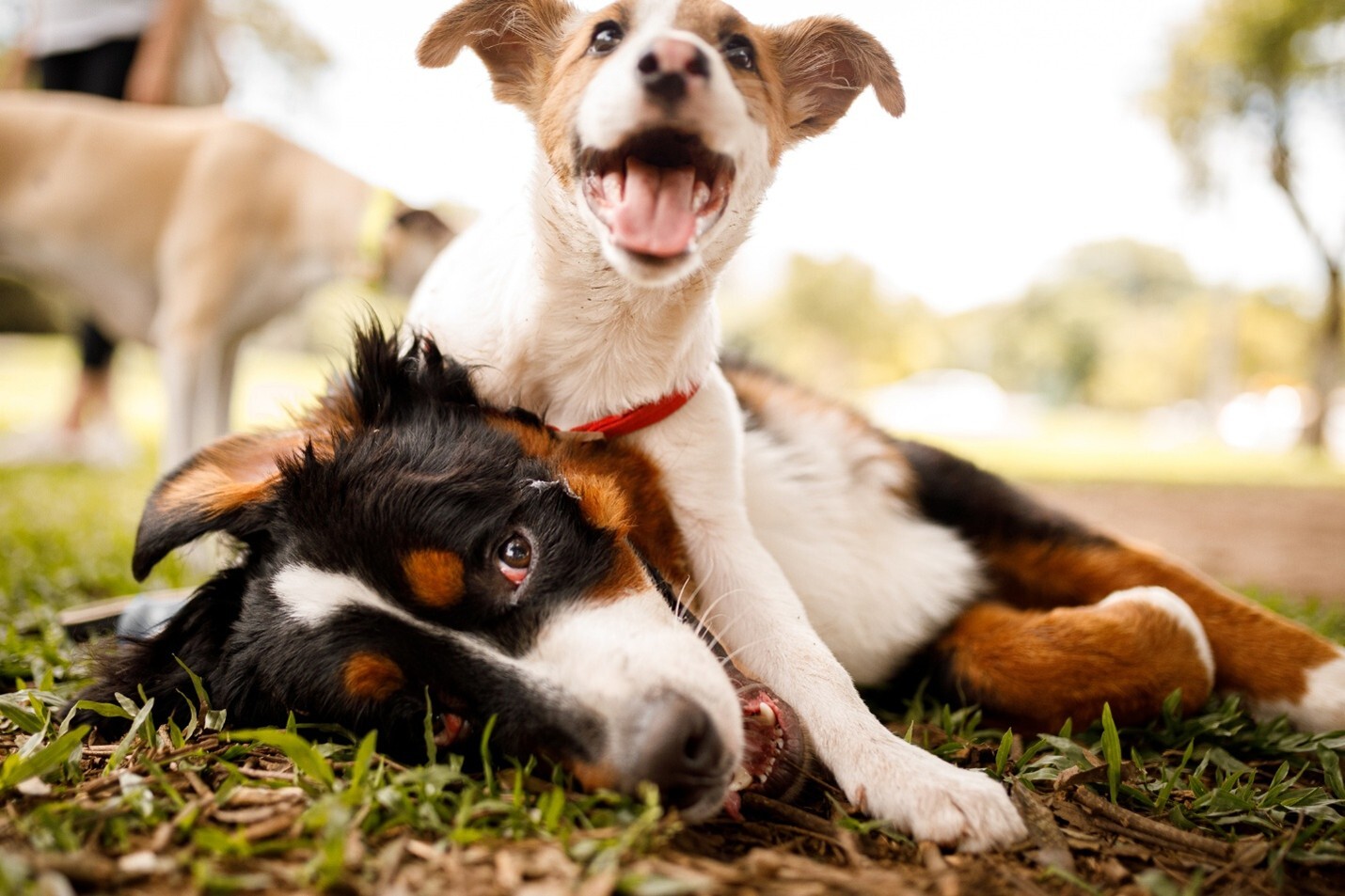
Our pets love extra attention and care during the cold part of the year. Consider indoor playdates with their animal buddies. This is another great opportunity for your agility course – always more fun with a friend.
Spending more time with their human family is another enriching experience. This can be as simple as developing a routine of calming pats and warm cuddles before bed, which can improve sleep health. Grooming is another great bonding exercise: regular brushing keeps skin healthy and moisturised amid dry conditions while a coat trimming keeps things neat and tidy.
Keep calm and stay warm
The prospect of a long winter indoors can be an enriching experience for both you and your dog. Take the opportunity to develop meaningful daily routines filled with engaging activities, hearty meals and plenty of pats – you may be surprised how much you learn about your best friend.
FAQs: Preparing your dog for winter
1. How does winter affect dog health?
Winter can impact dog health in several ways, from reduced activity levels to increased risk of seasonal illnesses. Cold weather can worsen joint conditions like arthritis, dry out skin and paws, and contribute to weight gain due to less exercise.
2. Do dogs need extra care during cold weather?
Yes, dogs often need additional care in winter, especially smaller breeds, older dogs or those with short coats. Extra warmth, dry shelter and adjusted routines help maintain comfort and support overall dog health during colder months.
3. What are common winter health issues in dogs?
Common winter issues include arthritis flare-ups, respiratory conditions, skin infections and weight gain. Cold and damp conditions can also lead to cracked paws or irritation. These seasonal challenges mean winter is often a busier time for veterinary visits.
4. Can cold weather increase the risk of dog accidents?
Yes, winter conditions can increase dog accidents. Wet, slippery surfaces can lead to falls or injuries, while reduced visibility during shorter days can make walks riskier. Indoor hazards like heaters or fireplaces can also pose burn risks if not managed carefully.
5. How can I keep my dog active during winter?
Maintaining activity is key to preventing weight gain and supporting dog health. Shorter, more frequent walks, indoor games and enrichment activities can help keep dogs physically and mentally stimulated when outdoor time is limited.
6. Should I change my dog’s diet in winter?
Some dogs may require slight dietary adjustments in winter, particularly if they are more active outdoors or need extra energy to stay warm. However, reduced activity can also lead to weight gain, so portion control and veterinary advice are important.
7. How can I protect my dog from the cold at home?
Provide warm bedding, shelter from drafts and dry resting areas to help your dog stay comfortable. Limiting exposure to cold, wet conditions and ensuring access to indoor warmth can reduce stress on the body and support better winter dog health.
8. Does dog insurance cover winter-related health issues or accidents?
Many dog insurance policies can help cover treatment for seasonal illnesses or injuries, including those linked to cold weather conditions. Coverage varies, but dog insurance can support timely care and help manage the cost of unexpected winter-related dog accidents or health concerns.