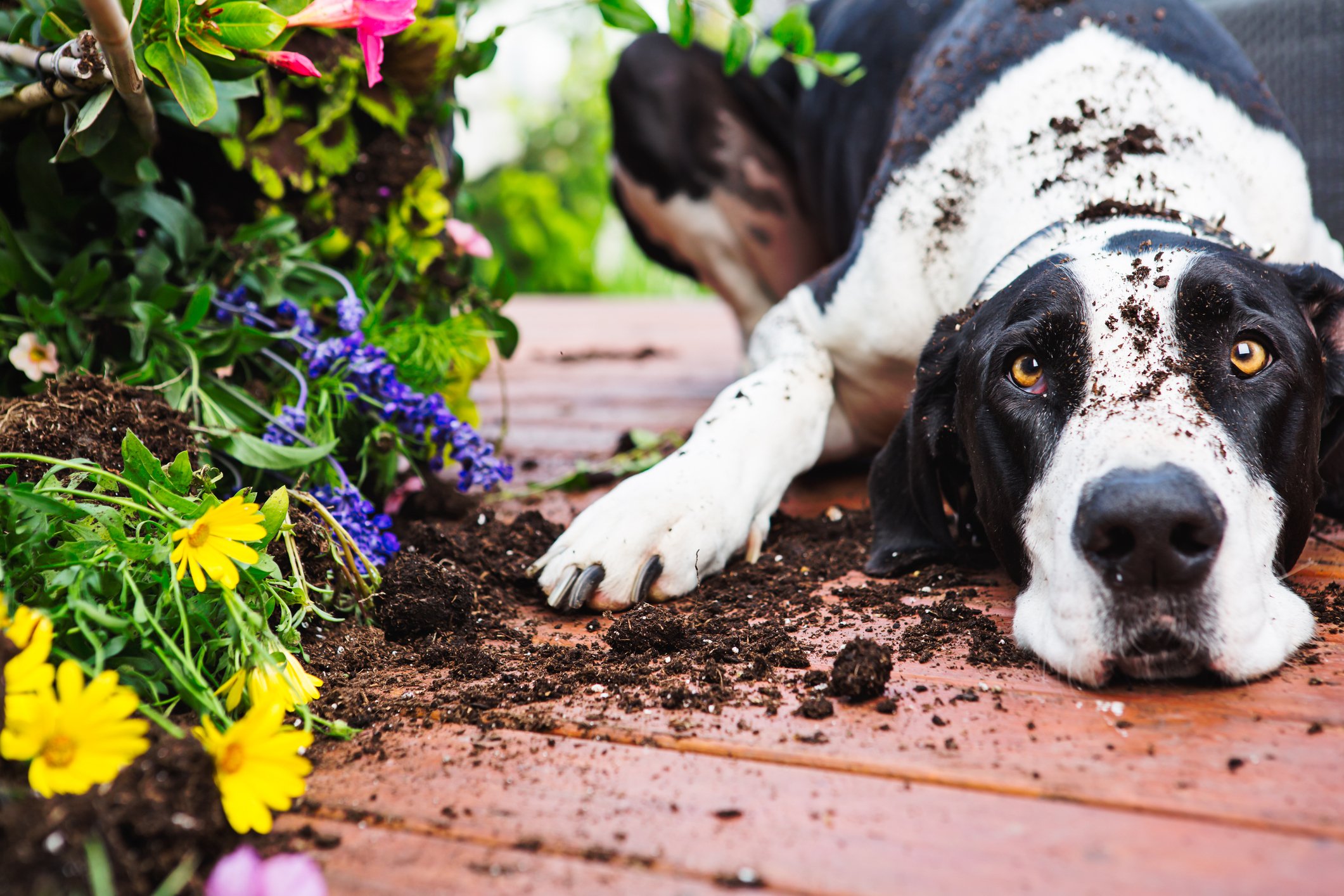
There's nothing your dog loves more than seeing that back door open. As they sprint out into the garden, they're overwhelmed with excitement at the scents and opportunities to explore. Too overwhelmed, perhaps, to notice the dangers lurking in unlikely places.
Plant toxicity is a silent assassin in many gardens and parks. Common plants can be toxic to our beloved pets, so read on to find out which ones to avoid, what to do if disaster strikes and how accident insurance could help prune associated vet bills.
What is outdoor plant toxicity?
Believe it or not, most plants can be toxic to our pets if a large quantity is ingested, even those considered pet safe.
Not helping that issue is that Australia is home to several varieties of toxic wild mushrooms, including Agaricus xanthodermus (the yellow-staining mushroom) and the deadly death cap, Amanita phalloides. When it comes to mushrooms, always assume wild varieties are toxic and prevent your pet from accessing them. If your pet does eat a wild mushroom, seek veterinary advice immediately.
Who is affected?
Dogs and cats of any age and breed can be affected by plant toxicity. Although you may think your dog has an iron stomach (and they would certainly agree), the data tells a different story.
According to PetSure 2025 claims data, toxin ingestion was most prevalent in the following breeds:
| Breed | Prevalence |
|---|---|
| Nova Scotia Duck Tolling Retriever | 9.67% |
| Basset Hound | 8.92% |
| Bernese Mountain Dog | 8.21% |
| Italian Lagotto Romagnolo | 7.87% |
| Samoyed | 6.97% |
| Miniature Bull Terrier | 6.93% |
| Bull Terrier | 6.50% |
| Beagle | 6.50% |
| Australian Cobberdog | 6.49% |
| Miniature Dachshund - Wire Haired | 6.36% |
Prevalence = Total number of unique claiming pets / total number of insured pets across 12-month period. Excludes breeds with less than 500 active pet insurance policies.
The data also shows the majority of toxin ingestion cases affect pets under three years of age. That likely comes down to youthful curiosity and the voracious appetite of a growing dog.
Signs of plant toxicity
Depending on the toxin involved and the amount consumed, signs of plant toxicity can vary.
Mild symptoms may include oral irritation such as drooling or rubbing at the mouth, or gastrointestinal upsets including vomiting and diarrhoea. More serious cases can involve abdominal pain and lethargy or more extreme symptoms such as organ damage or seizures.
In some cases, plant toxicity can be fatal. If you suspect your dog has eaten something they shouldn't have, contact your vet immediately.
|
Toxin |
Common Plant Species |
Symptoms |
|
Ricin – toxic protein |
Castor bean or castor oil plant (Ricinus communis) |
|
|
Glycosides |
|
|
|
Pyrethrins (Affect cats particularly badly) |
|
|
|
Grayanotoxins |
|
|
|
Alkaloid |
|
|
|
Cycasin |
Sago palms (Cycas revolute) |
|
|
Saponin |
|
|
|
Solanine |
|
|
|
Calcium oxalate |
|
|
Management of plant toxicity
Prevention is the best kind of treatment. Make sure your garden is free from common toxic plants and supervise your dog's outdoor time.
If you're heading to the park, keep a close eye on where your dog goes and what they do. It also helps to know the offending plants to make avoiding them easier.
In the unfortunate event that your furry friend has ingested some plant material and you're unsure whether it's toxic, the best course of action is to treat it as such. Remove any plant material from your pet’s mouth and consider a trip to the vet for further examination.
If the incident has occurred away from home, take samples of the plant along with photos of leaves, flowers and any fruit. These details can help your vet identify the plant and determine the most appropriate treatment.
And treatment can vary depending on the toxin involved. It may be as simple as removing the offending material from your pet’s mouth and rinsing with water or milk, or as drastic as inducing vomiting to clear the stomach. Activated charcoal may be given to absorb toxins in the intestinal tract.
In the worst cases, treatment may involve medications to support heart and lung function, hospitalisation for monitoring and intravenous fluids to support affected organs.
How much does it cost to treat?
The wrath of a toxic plant goes beyond your dog's wellbeing. According to PetSure 2025 claims data, the average single treatment cost relating to plant toxicities for dogs was $856, with the highest single treatment cost coming in at $41,657.
Bark me! With Ruff'n'Tumble accident cover in place, those numbers can drop dramatically for eligible cases. At just $40 per month and a $500 excess per claim, Ruff'n'Tumble can help if your dog barks up the wrong tree.
Pet-proofing your garden
We get it: your garden is your other pride and joy. But you don't have to do a total backyard makeover to keep your dog out of harm's way.
In addition to removing toxic plants, you should aim to add pet safe plants. Here are some to get you started:
| Common non-toxic outdoor plant |
| Camellia (Camellia japonica) |
| Fuchsia (fuchsia) |
| Sunflower (Helianthus) |
| Rose (Rosa) |
| Petunia (Petunia) |
| Coral bells (Heuchera) |
| Crepe myrtle (Lagerstroemia) |
| Rosemary (Rosmarinus officinalis) |
| Hibiscus (Hibiscus syriacus) |
| Silver heart (Peperomia caperata) |
Just don't get too attached. Your dog won't know a safe plant from a toxic one; they all look equally delicious.
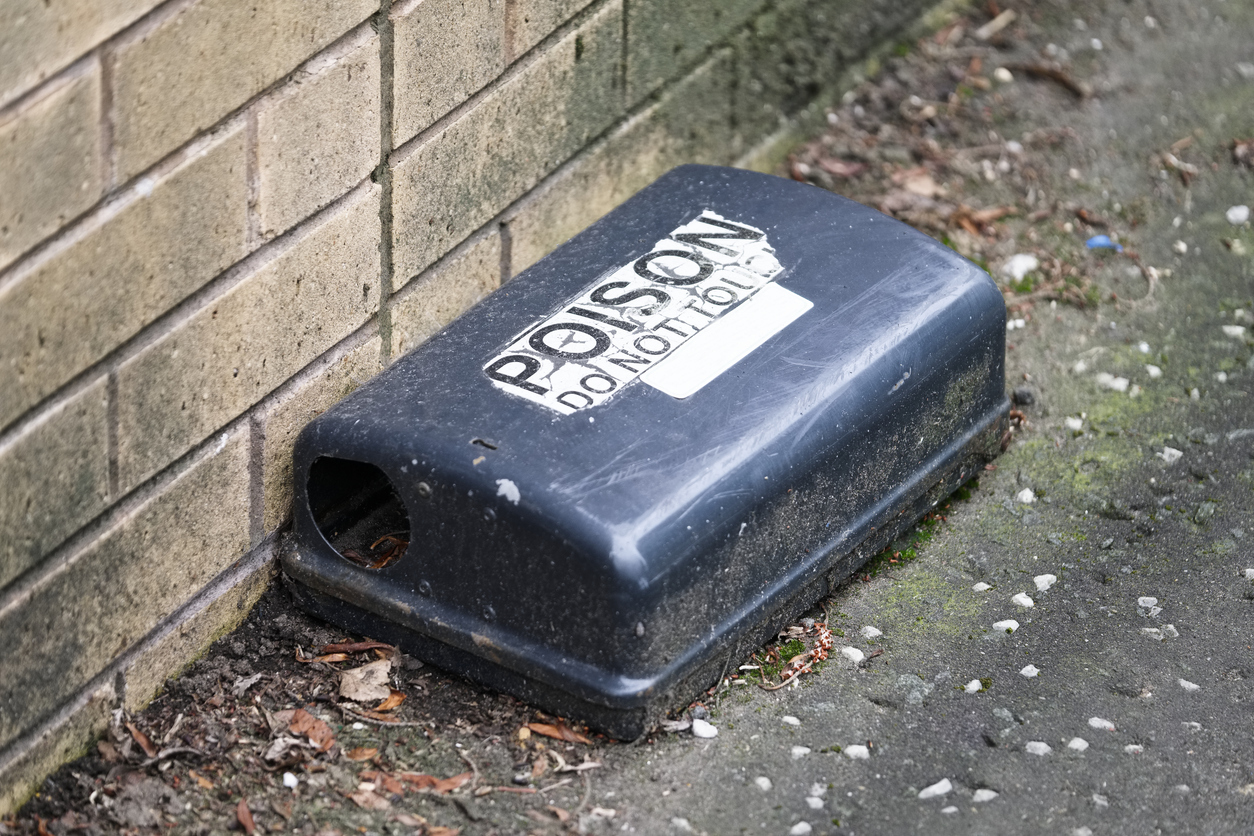
Be mindful that pesticides, such as rodenticide, snail bait and fertilisers, can still be harmful to pets.
Garden of eden?
Dogs do dumb stuff, but that shouldn't cost them their health. The garden should be a safe place for them to play, explore and relieve themselves. With these considerations in mind, it still can be.
By taking a few simple steps to be aware at the park and keep your garden the right kind of green, you and your dog can continue to enjoy the great outdoors without paying the price.
FAQs: Garden dangers for dogs
1. What are the most common garden dangers for dogs?
Common garden dangers for dogs include toxic plants, pesticides, fertilisers and organic hazards like wild mushrooms. Many of these are easily accessible in backyards and can lead to poisoning, digestive upset or neurological issues. These exposures are a frequent cause of preventable dog accidents, particularly in curious or younger dogs.
2. Why are toxic plants a major risk to dog health?
Toxic plants are one of the most overlooked threats to dog health. Even small amounts can cause symptoms ranging from drooling and vomiting to seizures, organ damage or death depending on the toxin. Common culprits include plants containing glycosides, alkaloids or oxalates, all of which can severely impact a dog’s system.
3. Are wild mushrooms in the garden dangerous for dogs?
Yes—wild mushrooms in Australian gardens can be highly toxic, and some species are potentially fatal. Because it’s difficult to identify safe vs dangerous varieties, any ingestion should be treated as a serious risk. Immediate veterinary advice is recommended, as mushroom poisoning can escalate quickly and affect multiple organ systems.
4. What signs indicate a dog has been poisoned in the garden?
Signs of poisoning can vary depending on the toxin but often include vomiting, diarrhoea, drooling, lethargy, abdominal pain or neurological symptoms like tremors and seizures. Early symptoms may appear mild but can rapidly progress, so any suspected exposure should be treated as a dog health emergency.
5. Which dogs are most at risk of garden-related accidents?
Younger dogs, particularly those under three years old, are more likely to experience garden-related dog accidents due to their curiosity and tendency to chew or ingest unfamiliar objects. However, dogs of any breed or age can be affected, making supervision and prevention important for all households.
6. How can I prevent dog accidents in my garden?
Preventing dog accidents starts with removing or restricting access to toxic plants, mushrooms and chemicals. Pet-safe landscaping, secure storage of garden products and regular yard checks can significantly reduce risk. Prevention is widely considered more effective than treatment when it comes to protecting long-term dog health.
7. What should I do if my dog eats something toxic in the garden?
If your dog ingests a potentially toxic substance, remove any remaining material from their mouth and seek veterinary advice immediately. Bringing a sample or photo of the plant or substance can help with diagnosis and treatment. Prompt action is critical to improving outcomes in poisoning-related dog accidents.
8. Does dog insurance cover garden-related poisoning or injuries?
Many dog insurance policies can help cover treatment for accidental injuries and illnesses, including plant toxicity or poisoning from garden hazards. According to PetSure, plant toxicity is typically included under comprehensive policies, though limits and exclusions apply. Dog insurance can help manage unexpected vet costs and support timely care when accidents occur.
Plant toxicity is generally covered by Accidental Injury pet insurance policies administered by PetSure, unless related to a pre-existing condition or exclusion. Refer to your policy documents including Certificate of Insurance and Product Disclosure Statement for more information on whether this condition is covered under your policy.
Disclaimer: Reimbursement for these claims would be subject to applicable waiting periods and any applicable excess. Cover is subject to the policy terms and conditions. You should consider the relevant Product Disclosure Statement or policy wording available from the relevant provider.