We love animals, but there are some we just don't want around. Wild rats bring with them a lot of unwanted baggage, so to reduce rodent populations, anticoagulant rat bait is widely used.
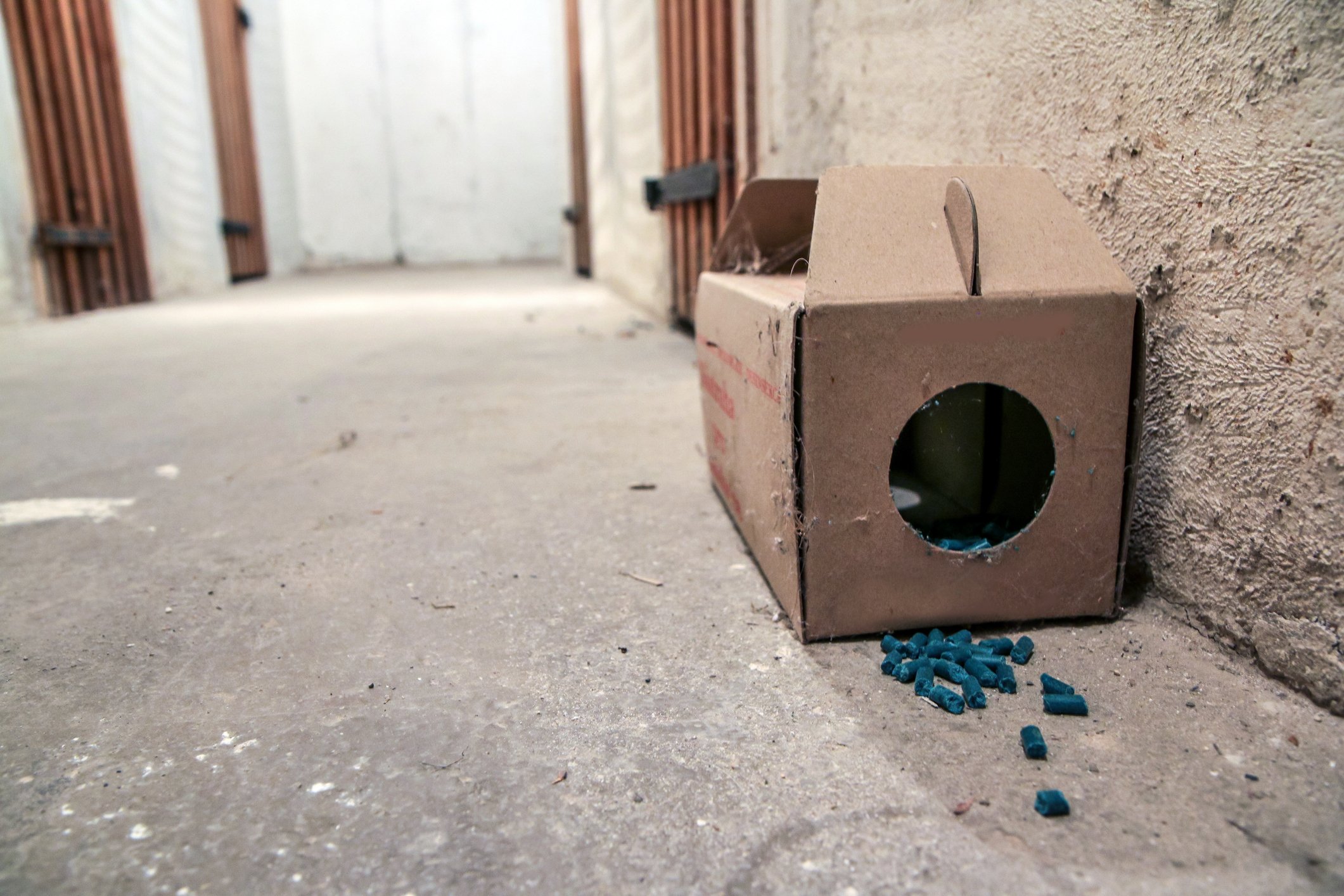
This toxin is designed to appeal to vermin. Once eaten, it stops their blood from clotting, causing them to bleed to death. Unfortunately, any animal that eats the toxin will suffer the same fate.
What is Rodenticide toxicity?
Rat poison targets Vitamin K, an enzyme that helps blood to form normal clots required to keep the body functioning. Without Vitamin K, the body can't control its blood, leading to excessive - and fatal - bleeding.
The effects of rodenticide ingestion and toxicity can take three or four days to develop, so if you suspect your pet has eaten rat bait, don't hesitate. Seek veterinary attention immediately, as the sooner your dog receives veterinary care, the better their chance of avoiding serious suffering.
Who is affected?
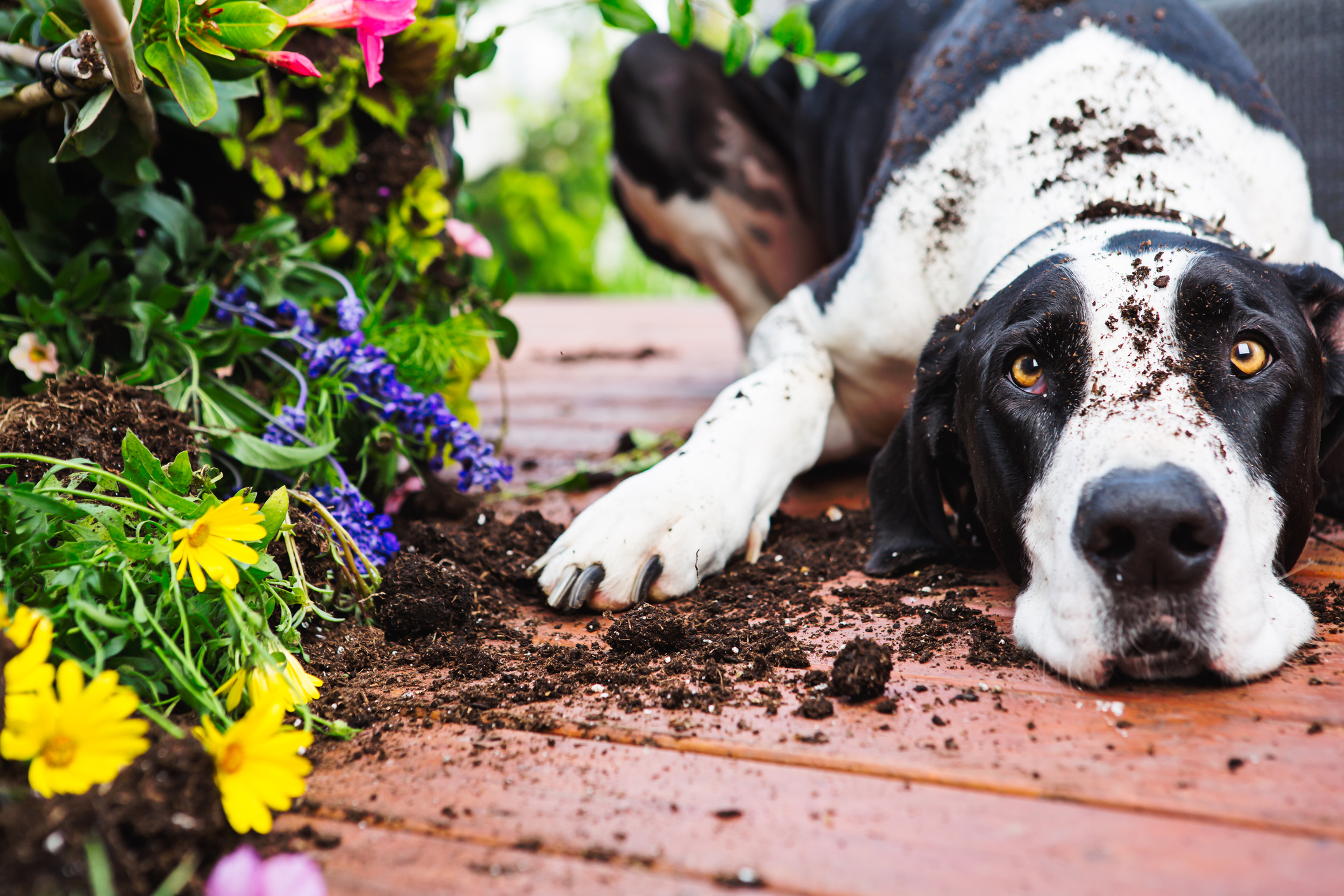
Any dog of any age is susceptible to rat poison toxicity. PetSure 2025 claims data shows that the most commonly affected age bracket is 0-3 years old, which reflects the curious nature of young animals and their uncanny ability to eat everything, no matter how unappetising.
Rat bait is equally ruinous to all breeds, but PetSure 2025 claims data shows that rodenticide toxicity was most prevalent in these doggos:
| Breed | Prevalence |
| Dalmatian Cross | 1.32% |
| Stumpy Tail Cattle Dog | 1.18% |
| Stumpy Tail Cattle Dog Cross | 1.11% |
| Australian Terrier | 0.99% |
| Basset Hound | 0.92% |
| Miniature Dachshund - Smooth Haired Cross | 0.90% |
| Curly Coated Retriever | 0.80% |
| Portuguese Water Dog | 0.78% |
| Brittany Spaniel | 0.78% |
| Maremma Sheepdog Cross | 0.67% |
Prevalence = Total number of unique claiming pets / total number of insured pets across 12-month period. Excludes breeds with less than 500 active pet insurance policies.
The chances of your furry friend encountering rat poison are low...or so you'd think. Bait can often be found out and about, as it's often used outside restaurants, cafes and public eating spaces to keep rats away.
When mouse plagues hit Australia, there's an uptick in the amount of rodenticide being used. PetSure data shows that the 2021 mouse plague coincided with a spike in pets affected by rat poison.
Signs of Rodenticide Toxicity
Because the rat bait effect is slow to act, the suffering is gradual and terrible to watch. If you suspect your dog may have eaten rat bait, contact your vet immediately. The slow-moving nature of the poison is a good thing for this reason: it gives you time to act.
As bleeding may occur internally, some of the first signs you see could be simply lethargy, weakness, decreased exercise ability or bloating and swelling.
Other signs of clotting problems include:
- bruising on the skin (often noted on hairless areas such as the abdomen)
- bruising on the gums, or unusually pale gums
- bleeding from the nose or other orifice
- coughing or changes in breathing
- limping and/or swollen joints
- blood in the urine or stool
- vomiting or stool blue/green in colour
Neurological signs, such as changes in behaviour, difficulties walking or seizures are also possible if a bleed occurs in the brain or spinal cord.
Management of Rodenticide Toxicity
This one's all about time. If you're fast enough seeking treatment in the hours after the toxin was eaten, your vet is likely to be able to act in time to save your pet's life.
The first treatment available for those early enough at the vet is an emetic medication, causing the patient to vomit. Activated charcoal may also be used to absorb any leftover toxins.
Vitamin K therapy may follow, depending on the vet's recommendations. After a day or two, the blood's ability to clot should return.
In pets with clear symptoms of rat bait toxicity, treatment is much more aggressive. Hospitalisation, blood or plasma transfusions and intravenous fluids may be recommended.
Vitamin K needs to be administered urgently to help restore the blood’s ability to clot. This therapy can continue for several weeks, along with regular checks by the vet of the blood’s ability to clot.
Depending on where the bleeding is occurring in the body, further treatment and procedures may need to be done. For example, if the pet has bleeding into the chest cavity, draining this fluid may be required to help reduce pressure on the pet’s lungs.
Like many conditions, prevention of rat bait toxicity is much better than cure, so ensure pets cannot access baits or dead and dying rodents if you are using bait around your property. Check also with neighbours to ensure that pets can’t access baits on other properties. If you do suspect your pet has had access to rat bait, don’t delay in seeking veterinary treatment.
How much does it cost to treat?
The bleeding caused by rat poison can extend to your bank account. According to PetSure 2025 claims data, the average single treatment cost relating to rodenticide toxicity is $465. The highest? An eye-watering $21,141. Bark that.
With Ruff'n'Tumble accident insurance, those figures can come down drastically. Eligible cases of rat poison ingestion and other toxicity can be treated for a flat $500 excess, regardless of your dog's breed or age.
You dirty rats
Your dog's not a rat; they're a dog. They shouldn't be eating rat bait, but sometimes dogs do dumb things. With some vigilance and preventative measures, however, you can prevent them from doing this particular dumb thing that could cost you a lot - and cost them everything.
FAQs: Rodenticide toxicity in dogs
1. What are the signs of rat poison poisoning in dogs?
Signs of rat poison poisoning in dogs include lethargy, bruising on the skin or gums and blood in urine or stool, caused by internal bleeding. Contact your vet immediately if your dog shows any of these signs, since rat poison can be fatal without treatment.
2. How long after eating rat poison do symptoms appear in dogs?
The effects of rat poison ingestion in dogs can take three to four days to develop, so symptoms are not always immediate. Seek veterinary attention immediately if you suspect your dog has eaten rat bait, rather than waiting to see if symptoms develop.
3. What should I do if my dog eats rat poison?
Get your dog to a vet as soon as possible, since treatment within hours of ingestion is most effective at stopping the toxin from being absorbed. Early treatment can include an emetic medication to induce vomiting and activated charcoal to absorb any remaining poison.
4. How is rat poison poisoning treated in dogs?
Treatment for rat poison poisoning in dogs depends on how quickly it starts, with early cases treated by inducing vomiting and giving activated charcoal and Vitamin K. Dogs with visible symptoms need more intensive care, including hospitalisation, blood or plasma transfusions and several weeks of Vitamin K treatment.
5. How can I prevent my dog from eating rat poison?
Keep rat bait and any dead or dying rodents completely out of your dog's reach if you use poison around your property. Check with neighbours too, since bait placed on a neighbouring property can be just as accessible to your dog.
6. Where is rat bait commonly found?
Rat bait is often placed outside restaurants, cafes and other public eating areas to control rodents, so dogs can come across it on footpaths and walks. Rodenticide use also rises during mouse plagues, including the 2021 outbreak in Australia, which PetSure data linked to a spike in affected pets.
7. Does pet insurance cover rat poison poisoning treatment for dogs?
Ruff'n'Tumble covers eligible treatment for rat poison ingestion and other toxicity as part of its accident-only cover. The average treatment cost for rodenticide toxicity in dogs is $465, with the highest recorded claim reaching $21,141, according to PetSure claims data from 2025. Ruff'n'Tumble charges a flat $40 a month for cover, plus a flat $500 excess on each eligible claim.
Rodenticide toxicity is generally covered by Accidental Injury pet insurance policies administered by PetSure, unless related to a pre-existing condition or exclusion. Refer to your policy documents including Certificate of Insurance and Product Disclosure Statement for more information on whether this condition is covered under your policy.