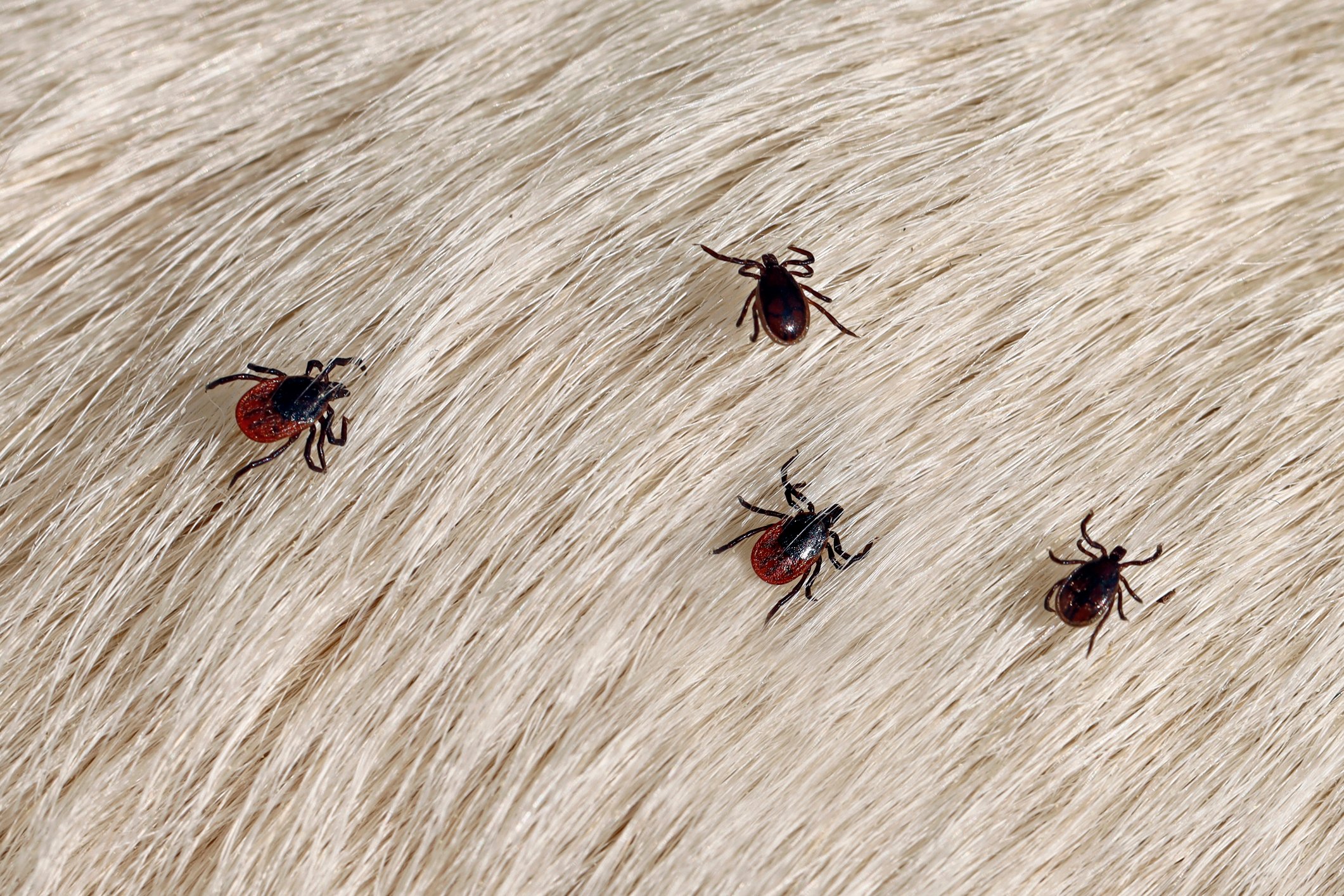
When summertime rolls around, one of the biggest pet healthcare misconceptions takes hold: that bloodsucking parasites have finally emerged from hibernation to feed on our furry friends.
Not so. The truth is that ticks, fleas, heartworms, intestinal worms, mites and even leeches are an evergreen issue that can sap your pet’s plasma at any time. Late summer may find them in their prime, but when the warmer weather and humidity that cause these critters to thrive dissipate, parasites don’t.
Worse still, they’re no less dangerous for the change of seasons. One bite can carry discomfort, illness and even life-threatening conditions.
Understanding how these parasites can affect cats and dogs, and taking preventative steps now, can help you keep your pet safe when these creatures are out for blood.
Blood Feud
Creatures with a thirst for blood are surprisingly hardy. In milder climates, parasites can thrive well into autumn. In homes, fleas can persist throughout winter, and ticks remain active across Australia.
Too active, in fact. Dogs NSW has recently reported on the spread of canine ehrlichiosis, a tick-borne disease that can be deadly to dogs. The brown dog tick has spread the disease across northern Australia, with cases increasing in Queensland in early 2026.
As canine ehrlichiosis is relatively new to Australia (it was first detected in 2020), domestic dogs have not yet developed any natural resistance. The Australian government is working to prevent the spread, but the brown dog tick remains a carrier of this severe illness which can often appear asymptomatic.
Different Ticks
While regular ticks are bad enough, paralysis ticks remain a greater threat to our pets. These can cause progressive paralysis that can lead to respiratory failure and even death if untreated.
Paralysis ticks attach onto dogs and cats by sinking their mouth-parts into skin. The tick feeds on the host’s blood, injecting small amounts of toxic saliva into the animal, which causes weakness and ultimately paralysis.

These ticks are active along Australia’s east coast, especially in bushy, grassy and coastal areas. As tick bites can be difficult to detect, it’s best to look for the symptoms of tick paralysis if you live in a tick-prone area:
- Weakness in the legs
- Vomiting or loss of appetite
- Difficulty breathing or excessive drooling
- A change in your pet’s bark or meow
- Intense scratching and biting at the skin
- Patchy hair loss
- Scabs or crusty skin
- Head shaking (in cases of ear mites)
According to PetSure claims data from 2025, the average treatment cost relating to tick paralysis for dogs was $3,484, with the maximum claim amount being $59,147. For cats, the average amount claimed for tick paralysis was over $2,660 with the highest claim amount topping out at $30,479.
Preventatives are a great way to help keep your pet tick-free. They’re long acting and easy to administer, and most also cover fleas.
And then there's Ruff'n'Tumble, which includes treatment for eligible tick paralysis cases as part of accident cover. Such a policy in place could help mitigate the severity of a tick paralysis vet bill.
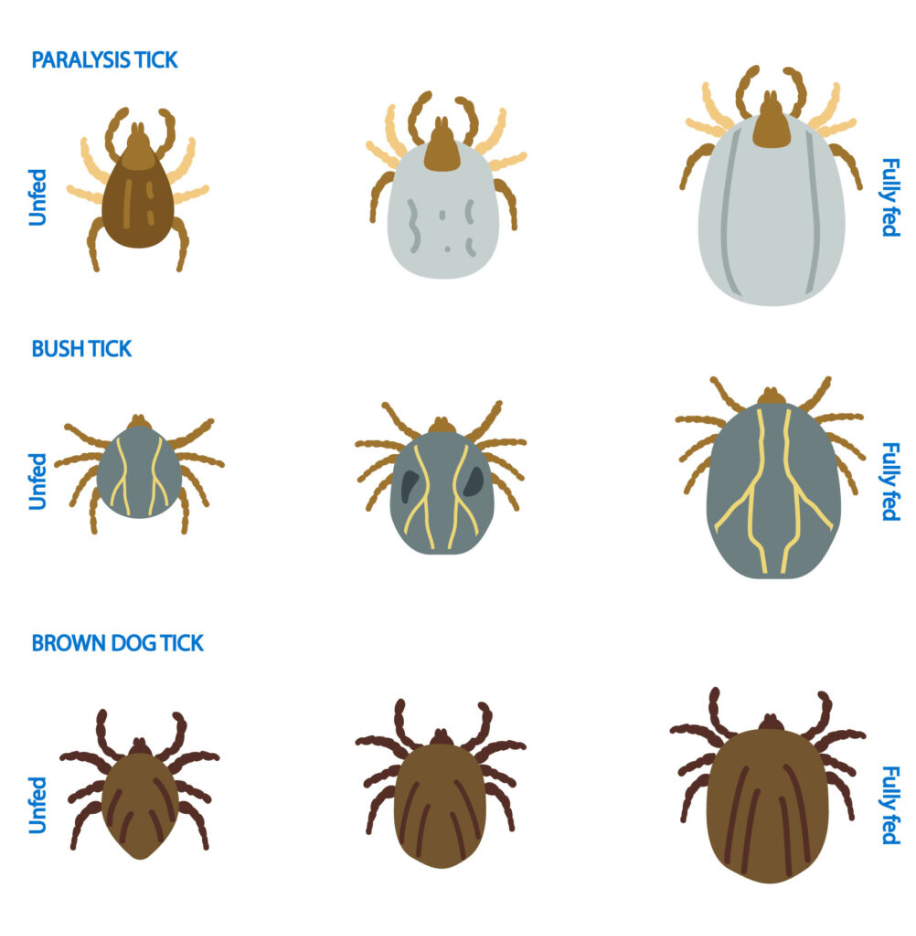
Checking your pet daily is essential if you’re in a tick hotspot. Front legs, neck, face and ears are common targets. If you find a feeding tick, remove it immediately with a tick removal tool by gently pulling upwards, then look for others and seek veterinary attention. It’s always best to let your vet remove the tick for you.
Fleas to meet you
When your dog or cat turns up scratching excessively, fleas are usually responsible. But fleas don’t just cause itching – they can trigger allergic reactions, transmit tapeworms and lead to severe and chronic skin infections.
A single flea can quickly cause a greater infestation with its ability to lay up to 50 eggs a day. Before long, you’ll be scratching right alongside your pet.
And skin infections in dogs and cats can be costly. According to PetSure claims data for 2025, the average cost of treating skin infections was $318 for dogs and $292 for cats, with a max of $21,590 for dogs and $6,328 for cats.
While flea populations explode in summer, they can survive all year round indoors. The bloodsucking critters love to hide in carpets, bedding and upholstery.
The prevention of fleas involves a combination of regular pet treatments, vacuuming and washing your pet’s bedding. Products such as spot-on treatments, oral medications and flea collars are all effective ways to keep fleas away.
Mite as well face it
Another itchy customer is the mite, a tiny parasite that can also cause serious skin issues in pets, including mange, ear infections and hair loss.
Ear infections were among the top 10 claimed conditions for both dogs and cats in 2025. The average cost of treatment for ear infections was $459 for dogs and $424 for cats; the highest cost was $22,142 for dogs and $11,589 for cats.
While some mites are naturally present in small numbers on healthy pets, infestations take hold when numbers explode. Symptoms of a severe case of mites include:
And yes, mites can migrate from pets to humans, so if you notice any of these signs, consult your vet for treatment and form a prevention plan.
Leeches suck
When wet weather occurs, chances are your backyard or local bush track will play host to the most notorious bloodsucker of all: the leech. Found anywhere damp, leeches will lie in wait until a warm, blood-filled victim passes by. Then they’ll latch on and feed using a sucker lined with tiny teeth.
Once attached, leeches secrete a mild anaesthetic, so pets don’t often feel a bite. This makes leeches hard to notice, meaning they can end up being brought inside quite easily.
When they’re done feeding, leeches will detach and leave behind a small, bleeding wound. In most cases, the blood loss is minimal, but multiple leeches can attach themselves at once.
Dogs are at the greatest risk thanks to their tendency to explore without hesitation. They can gain a few leeches while on a walk, swimming or even poking around the backyard on a damp day.
Creepy as they are, leeches are fairly easy to manage. They don’t feed for longer than about 45 minutes, won’t quickly multiply and aren’t known to transmit diseases to pets.
Still, it’s important to remove them correctly to reduce any risk. Should you find a leech, here’s what to do:
- Slide something thin and firm under the narrower end of the leech (the head) to break the attachment.
- Don’t tear: this can leave mouthparts attached.
- Once the head is detached, it’s safe to remove the rest of the body and return it to nature.
- Clean the wound with water.
Bloody tourists
As long as there’s blood, there will be parasites. The best way to protect your pet from nature’s vampires is a consistent, year-round prevention program.
Stick to a regular flea, tick or worming schedule and check your pets regularly. Keep your home and backyard tidy to minimise hiding places, avoid long grass when on walks and be aware of parasite hotspots.
Should an encounter occur, Ruff'n'Tumble accident insurance is a great way to mitigate the immediate cost of tick or even snake bite treatment.
Comprehensive insurance can help if the situation worsens. Parasites can strike unexpectedly and thanks to their small size, they can go unnoticed for some time.
Skin conditions can become chronic, which can require lifelong topical treatment or immunotherapy. While Ruff'n'Tumble may help with urgent tick paralysis treatment, having comprehensive pet insurance in your corner can help manage any ongoing costs.
Blood is life, and your pet doesn’t have to share theirs. Stay on top of the situation and prevent little pests from becoming big problems.
FAQs: Parasites in dogs and cats
1. What are the symptoms of tick paralysis in dogs?
Tick paralysis in dogs can cause weakness in the legs, vomiting and difficulty breathing, and can progress to respiratory failure if untreated. See your vet immediately if your dog shows any of these signs, especially in bushy, grassy or coastal areas.
2. How do I remove a tick from a dog?
Remove a feeding tick from a dog immediately using a tick removal tool, gently pulling upwards, then check for others nearby. It's best to let your vet remove the tick and seek veterinary attention afterwards.
3. What is canine ehrlichiosis?
Canine ehrlichiosis is a tick-borne disease carried by the brown dog tick that can be deadly to dogs and often shows no symptoms. First detected in Australia in 2020, cases have been increasing in Queensland in early 2026 and dogs have no natural resistance yet.
4. Are fleas and ticks only a problem in summer?
Ticks and fleas aren't just a summer problem: ticks remain active across Australia year-round and fleas can survive indoors through winter, hiding in carpets, bedding and upholstery. Parasites don't disappear when the warmer, humid weather that helps them thrive ends.
5. How can I prevent fleas and ticks on my dog?
Preventing fleas and ticks on dogs relies on a regular flea, tick or worming schedule plus daily checks of your dog's front legs, neck and ears. Spot-on treatments, oral medications and flea collars are effective, along with keeping your yard tidy and avoiding long grass on walks.
6. Can mites spread from dogs to humans?
Yes, mites can migrate from pets to humans. If you notice signs like hair loss or skin irritation on your dog, consult your vet for treatment and to form a prevention plan.
7. Does pet insurance cover tick paralysis treatment?
Ruff'n'Tumble covers eligible tick paralysis treatment as part of its accident-only cover for dogs. The average treatment cost for tick paralysis in dogs was $3,484 in PetSure claims data from 2025, with the highest claim reaching $59,147. In contrast, Ruff'n'Tumble costs just $40 a month for the cover, with a flat $500 excess on each eligible claim.
8. Does pet insurance cover chronic skin conditions?
Comprehensive or illness-inclusive pet insurance can help cover chronic skin conditions caused by parasites, which sometimes need lifelong topical treatment or immunotherapy. Accident-only policies are designed for sudden injuries rather than ongoing illness, so cover for these conditions depends on the policy type you choose.