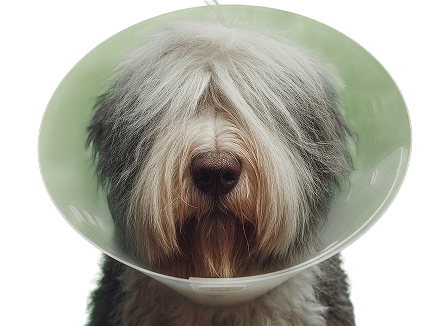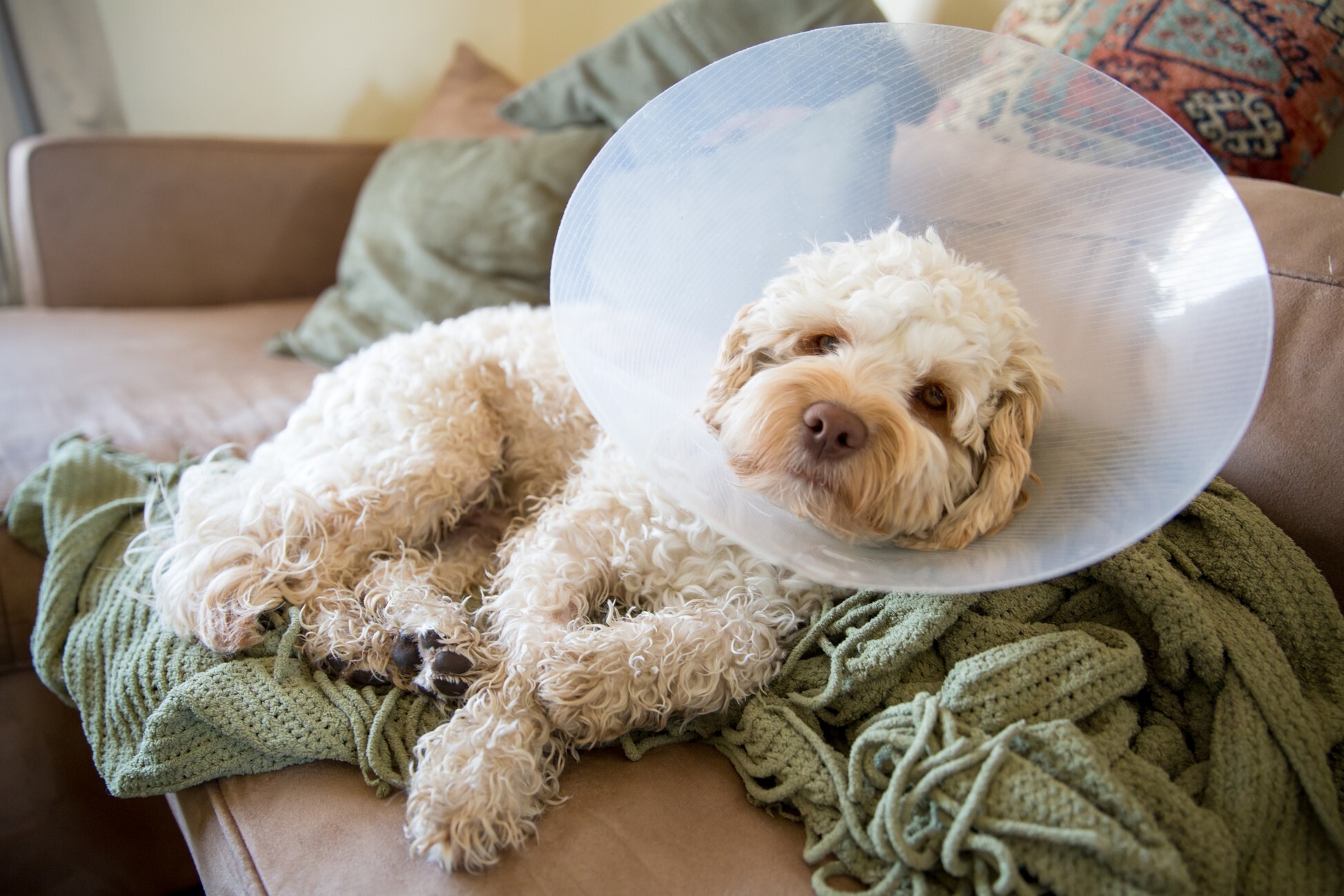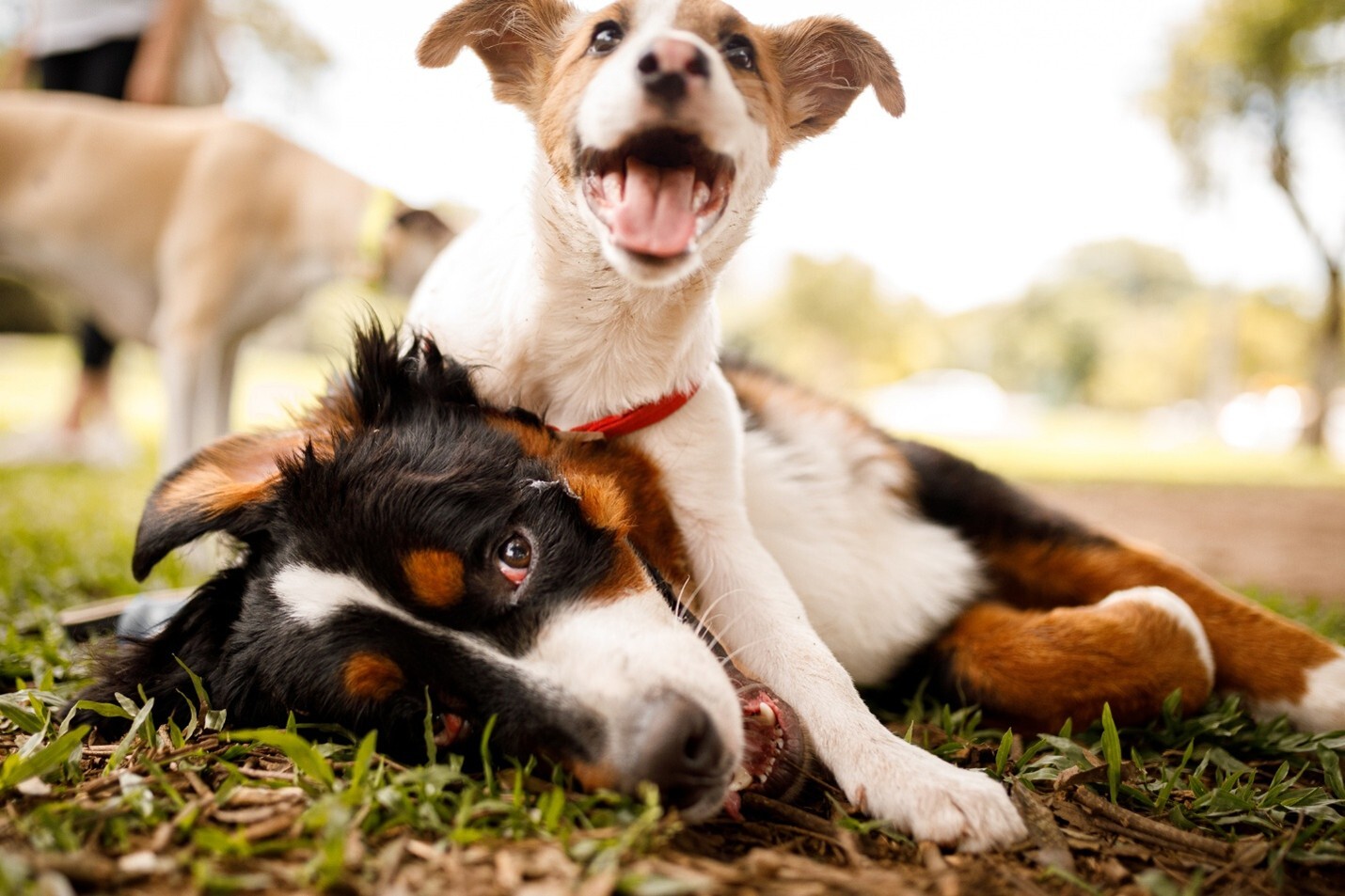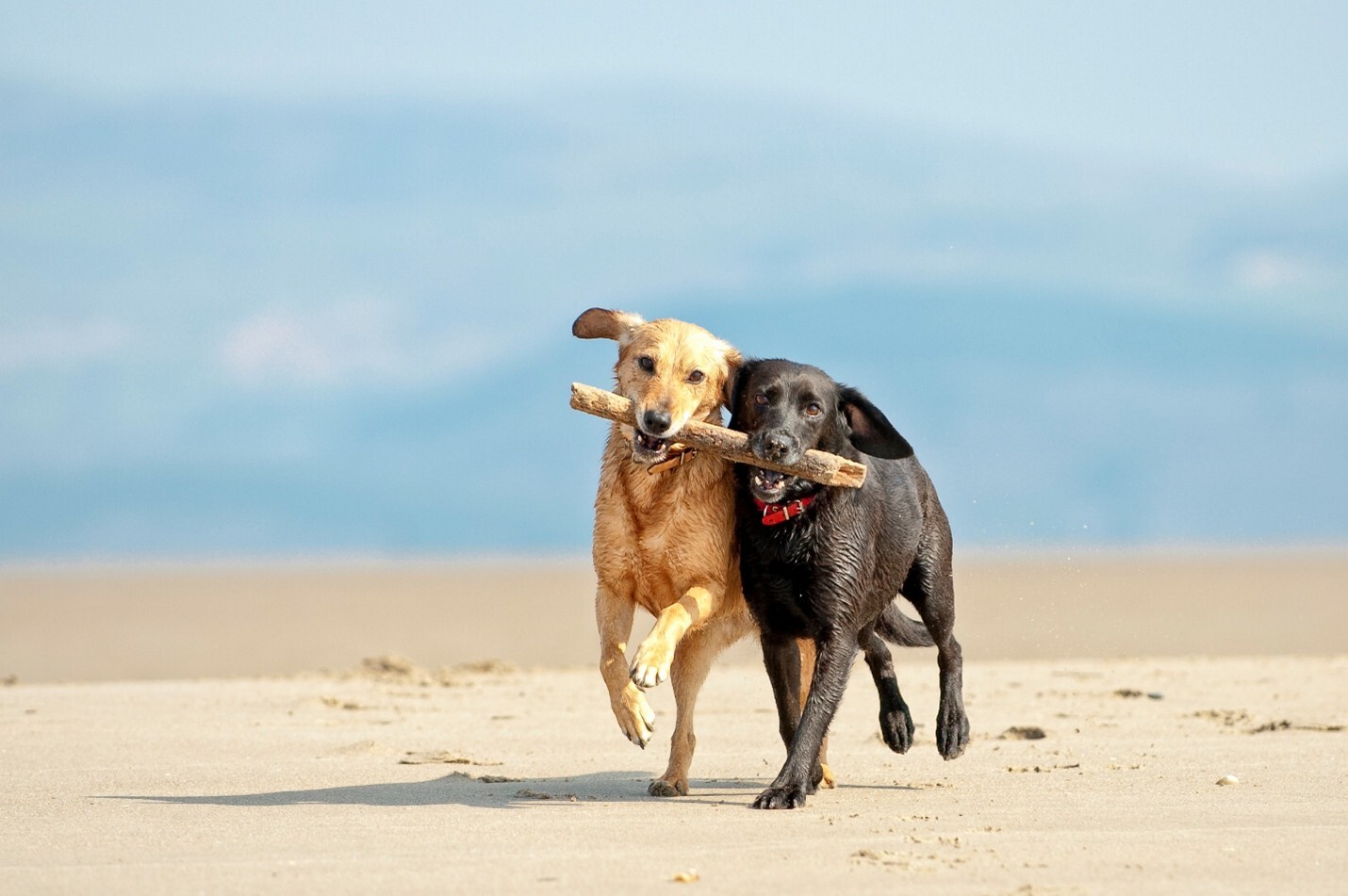
It's not easy being a dog owner in winter. Planning an escape to warmer destinations? Not so easy with a dog in the mix. And at home, our furry friends are basically ready to hibernate: look forward to three months of overly lethargic behaviour, appetites in overdrive and a resistance to exercise or outdoor adventures.
Winter is also an opportunistic time for a range of seasonal pet health conditions. Meanwhile, the change of seasons means your dog will have to adapt, a process that isn't always smooth.
But it doesn't have to be this way. Apply some knowledge, ingenuity and some forward thinking and you can keep your dog happy, safe and engaged this winter.
Chilly challenges
The chill of winter brings with it a variety of health challenges for dogs. The absence of humidity can lead to cracked or sore paws. Long stretches of rain can spoil regular walking routines and lead to weight gain or boredom. And colder temperatures can exacerbate arthritis or joint issues, particularly for senior dogs.
For vets, winter is a busy time of year. They're dealing with all these conditions and more, including seasonal illnesses, respiratory issues, fungal infections and skin conditions brought on by the rain and cold.
Winter also heralds a host of situations that can prove tricky for dogs. Wetter weather means slippery paths and parks, and cold temperatures can leave dogs feeling off-kilter. This is when accidents happen.
Winter woes for our furry friends
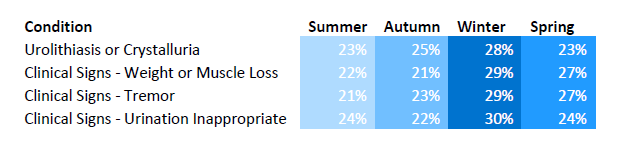
Here are the top common conditions that affect our dogs during winter, as well as their prevalence versus warmer months, according to PetSure 2024 claims data:
Dogs:
But there are steps you can take to make winter warmer, safer and more engaging for your dog. And what's more, it's an experience that can be just as enriching for owners. Maybe not as nice as a trip to the sunny shores of Tahiti, but you can have fun with it.
Set up an indoor pet playground
Whatever the weather, our dogs still need a daily dose of activity. Fortunately, your home can be just as exciting as the local park. Brain games are a great way to keep your pet physically and mentally stimulated. Interactive toys such as puzzle feeders, trick training, fishing rods and toy hunts can engage your dog and improve their mood.
A large indoor space and a soft, lightweight toy can make for a fun fetch session. If you’re feeling particularly creative, try building an indoor agility course with household items such as pillows, boxes or blankets. Navigating the course can improve your pet’s balance, coordination and problem-solving skills as well as helping to avoid seasonal depression.
Some dogs don't mind a walk in the rain. Grab a doggy raincoat and head around the block for a wet-weather adventure. Even a brisk walk can help maintain your pet’s fitness and strengthen your connection.
Eat well, live well
An effective winter diet can stave off a variety of health complaints. Some pets may need more calories to maintain a comfortable body heat, while fewer calories help to avoid weight gain in a time of limited activity. Boredom can lead to excessive eating, so monitor your pet’s intake and resist treats throughout the day.
While you should always consult your vet for nutrition advice, your dog may benefit from foods rich in omega-3 and omega-6 fatty acids such as sardines, as these contain anti-inflammatory properties that can counteract the arthritic bite of winter. Whole grains, used in moderation, are a great option for keeping trim. Berries are a great source of antioxidants and vitamin C, while nutrient-rich vegetables can boost their immune system.
Cold comfort
Our pets love extra attention and care during the cold part of the year. Consider indoor playdates with their animal buddies. This is another great opportunity for your agility course, which is always more fun with a friend.
Spending more time with their human family is another enriching experience. This can be as simple as developing a routine of calming pats and warm cuddles before bed, which can improve sleep health. Grooming is another great bonding exercise: regular brushing keeps skin healthy and moisturised amid dry conditions while a coat trimming keeps things neat and tidy.
And for the accident-prone dogs among us, setting up a pet insurance policy ahead of the winter months can help should things go wrong.
Ruff'n'Tumble accident insurance can take the financial sting out of the kind of clumsy situations that come about when wet, cold weather sets in. And because there's no lock-in contracts, your policy can cover purely winter or keep going as long as you need it.
Keep calm and stay warm
The prospect of a long winter indoors can be an enriching experience for both you and your dog. Take the opportunity to develop meaningful daily routines filled with engaging activities, hearty meals and plenty of pats. You may be surprised how much you learn about your best friend.
FAQs: Preparing your dog for winter
1. Why is my dog so lethargic in winter?
Cold weather often makes dogs less active and more inclined to rest or sleep, much like they're hibernating. If the lethargy seems extreme or comes with other symptoms, get your dog checked by a vet.
2. Why does my dog want to eat more in winter?
Some dogs need extra calories in winter to help maintain body heat, which can increase appetite. Watch portion sizes and limit treats, since less exercise during colder months can lead to weight gain.
3. How can I keep my dog active indoors during winter?
Puzzle feeders, trick training, toy hunts and indoor fetch sessions keep dogs physically and mentally stimulated when outdoor time is limited. A simple agility course made from pillows, boxes or blankets also builds balance and coordination.
4. What causes cracked paws in dogs during winter?
Low humidity in winter can dry out a dog's paw pads, leading to cracking or soreness. Regular grooming helps keep skin and paws healthier through the dry conditions.
5. Can cold weather make arthritis worse in dogs?
Colder temperatures can aggravate arthritis and joint issues, particularly in senior dogs. Foods rich in omega-3 and omega-6 fatty acids, such as sardines, may help, but check with your vet before changing your dog's diet.
6. Is it normal for dogs to gain weight in winter?
Yes, reduced activity combined with boredom eating often leads to weight gain over winter. Keeping an eye on calorie intake and limiting treats can help offset the lack of exercise.
7. Does dog insurance cover slips and falls?
Ruff'n'Tumble covers sudden accidental injuries such as slips, falls, cuts and swallowed objects, whatever the season. Wet, slippery winter paths are exactly the kind of scenario this accident-only cover is designed for.
8. Can I get dog insurance for just the winter months?
Yes, Ruff'n'Tumble policies have no lock-in contracts, so you can take out cover for just the winter months or keep it running for as long as you need.